

Hear from Our Customers
You can’t fix what you can’t see. That musty smell in your basement, the allergies that won’t quit, the weird stain spreading behind your bathroom wall—those aren’t things you should ignore or guess about.
Professional mold testing tells you exactly what’s growing, where it’s hiding, and how serious the problem is. Not a hunch. Not a maybe. Real data from air samples, surface tests, and moisture readings that show you the full picture.
When you know what you’re dealing with, you can make smart decisions. Whether that’s moving forward with remediation, negotiating a real estate deal, or filing an insurance claim, you’ll have documentation that actually holds up. No more wondering if that dark spot is just dirt or if your HVAC system is circulating spores through every room.
Testing also catches problems before they become expensive. Mold doesn’t get better on its own. It spreads. The longer it sits, the more damage it does to your property and the bigger the risk to anyone breathing that air. Early detection means smaller fixes and fewer headaches down the road.
We serve Brownsburg and the surrounding Bucks County area from our Bensalem location. We’re ACAC-certified, which means our inspectors meet national standards for mold assessment—not just someone with a moisture meter and a guess.
Bucks County’s humid summers create perfect conditions for mold growth, especially in older homes or properties that have dealt with water damage. We’ve seen it in crawl spaces, behind vinyl siding, under hardwood floors, and inside wall cavities that looked fine from the outside.
We start every job with a free inspection because we want to see what you’re dealing with before we talk about testing or remediation. No pressure. No upselling. Just a real conversation about what’s happening in your home and what makes sense to do about it.
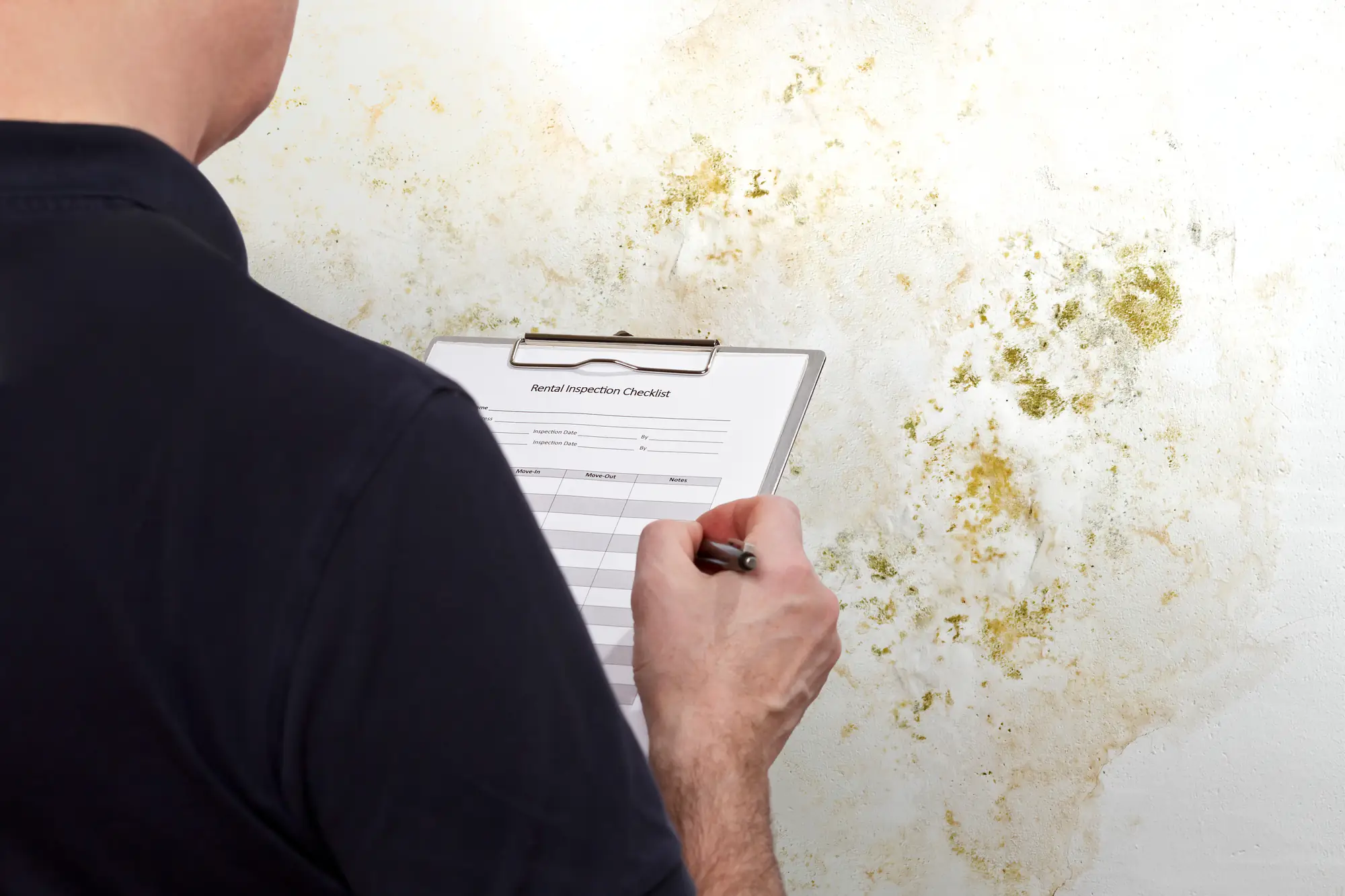
First, we come out and look at your property. This isn’t a five-minute walkthrough. We’re checking moisture levels, looking for visible growth, asking about your concerns, and figuring out where problems are most likely hiding.
If testing makes sense, we’ll collect air samples from different areas of your home and take surface samples from any suspicious spots. We use professional-grade equipment—not the kind of test kit you’d buy at a hardware store. Those can tell you mold is present, but they won’t tell you what type, how much, or whether it’s actually a health risk.
Samples go to an independent lab for analysis. You’ll get a detailed report that breaks down what was found, where the levels are elevated, and what species of mold we’re looking at. Some molds are more concerning than others, and the report will make that clear.
Once you have results, we’ll walk you through what they mean and what your options are. If remediation is needed, we’ll explain the scope of work. If the levels are normal, we’ll tell you that too. The goal is to give you enough information to make the right call for your situation.
Ready to get started?
A complete mold inspection includes visual assessment, moisture mapping, air quality sampling, and surface testing where needed. We’re looking for active growth, water intrusion points, and conditions that support mold development.
In Brownsburg and Bucks County, basements and crawl spaces are common problem areas. Older homes with stone foundations, properties near wooded areas, and houses with poor grading or drainage issues tend to have higher moisture levels. We also check attics, especially after roof leaks, and HVAC systems that might be distributing spores throughout your home.
Air samples measure spore concentration in the indoor environment compared to outdoor levels. If your indoor counts are significantly higher, that’s a red flag. Surface samples identify specific mold types growing on walls, ceilings, or other materials.
You’ll also get a written report with lab results, photos, moisture readings, and our assessment of what’s happening. This documentation is critical if you’re buying or selling a home, filing an insurance claim, or just need proof that a problem exists before you start tearing into walls.
Testing costs vary depending on the size of your property and how many samples are needed, but most residential mold testing falls in a predictable range. We’ll give you a clear estimate after the initial inspection so there are no surprises.
If you can see mold growing, you don’t necessarily need testing—you need remediation. Testing is most useful when you suspect a problem but can’t locate the source.
Common signs include persistent musty odors, allergy symptoms that improve when you leave the house, visible water stains, or a history of leaks and flooding. If you’re buying a home and the inspection flagged moisture issues, testing gives you hard data before you close. Same goes for insurance claims—you’ll need documentation to show what’s actually there.
Testing also makes sense after remediation to confirm the work was done correctly and spore levels are back to normal. Some people test periodically if they live in high-risk areas or have health conditions that make mold exposure particularly dangerous.
An inspection is a visual assessment. We’re looking at your property, checking for visible mold, measuring moisture levels, and identifying conditions that support growth. It’s a diagnostic step to figure out if testing is even necessary.
Testing involves collecting samples—air, surface, or bulk material—and sending them to a lab for analysis. The lab identifies mold species, measures spore concentration, and provides data you can use to make decisions.
You can have an inspection without testing, but you can’t do meaningful testing without an inspection first. The inspection tells us where to sample and what we’re likely to find. Some situations only need an inspection. Others require both. We’ll recommend what makes sense after we see your property.
The onsite portion usually takes one to two hours depending on the size of your home and how many areas we’re sampling. We’re not rushing through it—we need time to do a thorough inspection and collect samples correctly.
Lab results typically come back within three to five business days. If you need faster turnaround, rush processing is available for an additional fee and can get you results in 24 to 48 hours.
Once we have the report, we’ll schedule a follow-up call or meeting to review the findings. We’ll explain what the numbers mean, point out any areas of concern, and discuss next steps. You’ll get a copy of the full lab report along with our assessment and recommendations. If remediation is needed, we can usually start within a few days of getting results.
It depends on why the mold is there. If it’s the result of a covered event—like a burst pipe, roof leak during a storm, or sudden water damage—many policies will cover testing and remediation. If it’s from long-term neglect, poor maintenance, or chronic moisture problems you didn’t address, probably not.
You’ll need to check your specific policy and talk to your insurance company. Some policies explicitly exclude mold coverage. Others include it up to a certain dollar amount. Having professional documentation from the start strengthens your claim and shows the insurance company exactly what they’re dealing with.
We can provide detailed reports, photos, and moisture readings that support your claim. We’ve worked with insurance adjusters before and know what they’re looking for. Even if your policy doesn’t cover testing, it’s often worth paying out of pocket to get accurate information before you start filing claims or making repair decisions.
You can, but you’ll get limited information. Most over-the-counter kits only tell you that mold is present—which isn’t particularly useful since mold exists almost everywhere. They don’t measure concentration, identify specific species, or tell you whether the levels in your home are actually a problem.
Professional testing uses calibrated equipment, follows specific sampling protocols, and sends samples to accredited labs. The results are detailed enough to guide remediation decisions and hold up if you need documentation for insurance, real estate transactions, or health concerns.
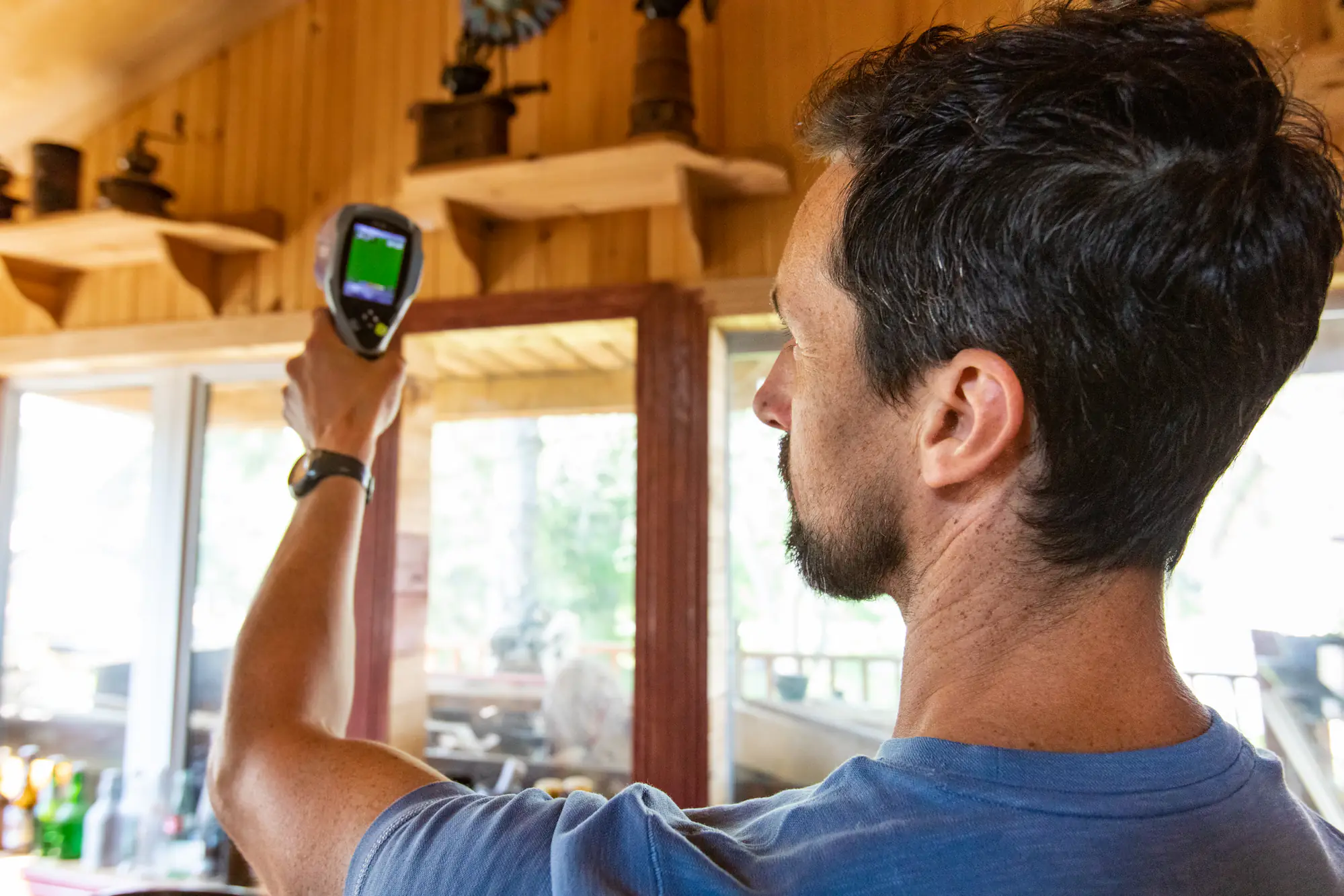
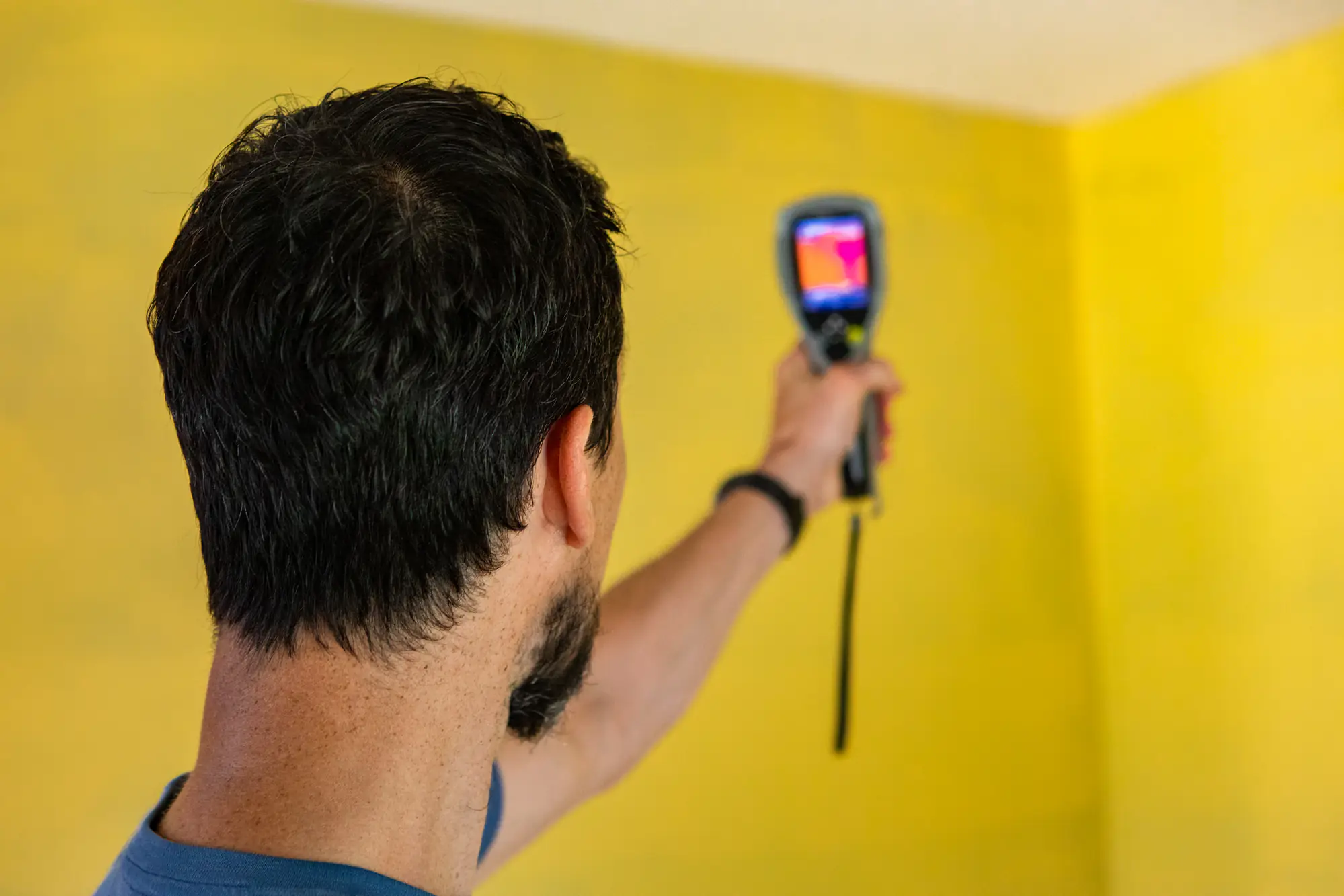
DIY kits also can’t detect hidden mold. If the problem is behind walls, under flooring, or in your HVAC system, a petri dish sitting on your counter won’t find it. We use moisture meters, thermal imaging, and air sampling to locate mold you can’t see. If you’re serious about understanding what’s in your home, professional testing is worth the investment.
The most common indoor molds in Bucks County are Cladosporium, Penicillium, Aspergillus, and Alternaria. These are usually found in damp areas like basements, bathrooms, and around windows with condensation issues. They’re not always dangerous, but they can trigger allergies and respiratory problems, especially in kids, elderly residents, or anyone with asthma.
Black mold—Stachybotrys chartarum—gets the most attention because it produces mycotoxins that can cause serious health issues. It’s less common than other types but tends to grow on water-damaged cellulose materials like drywall, wood, and ceiling tiles. If you’ve had flooding or long-term leaks, black mold is a real possibility.
The only way to know exactly what’s growing in your home is through lab testing. Visual identification isn’t reliable—different mold species can look similar, and some of the most problematic types don’t always appear black. Testing removes the guesswork and tells you whether you’re dealing with a minor issue or something that needs immediate attention.
Other Services we provide in Brownsburg